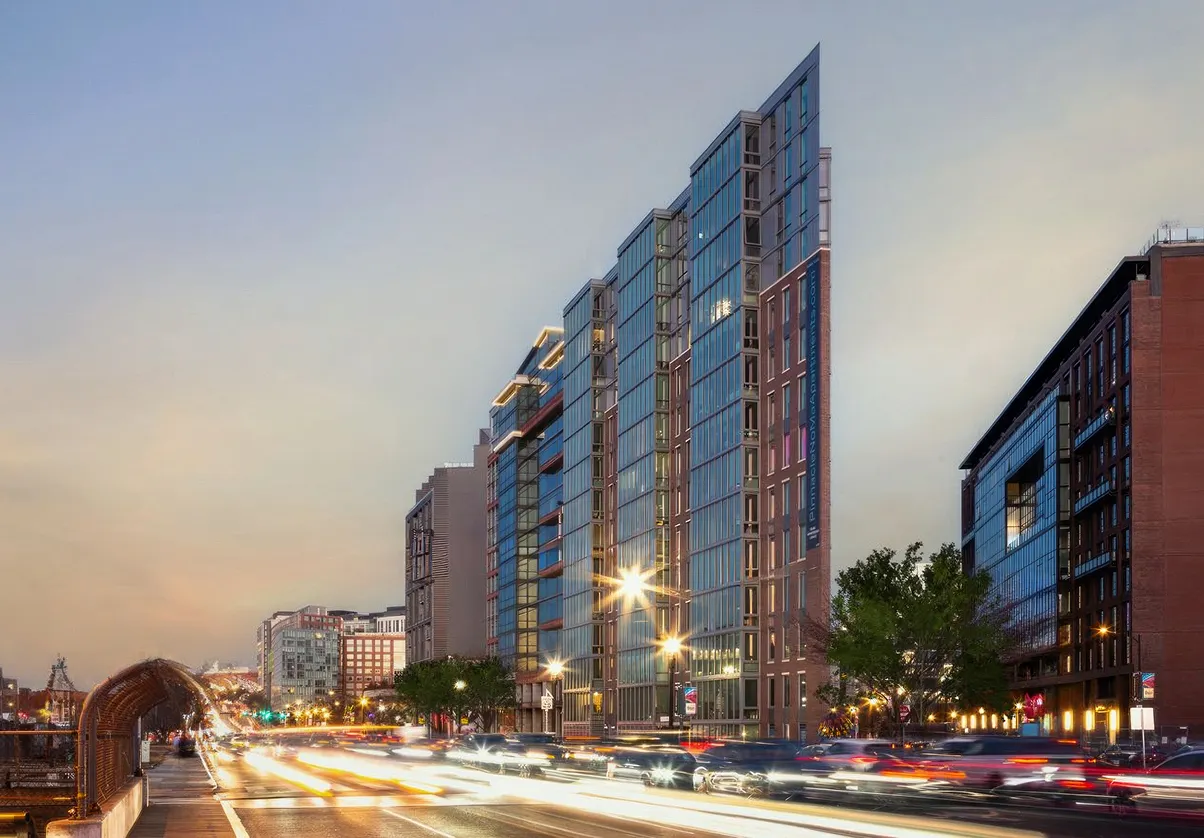
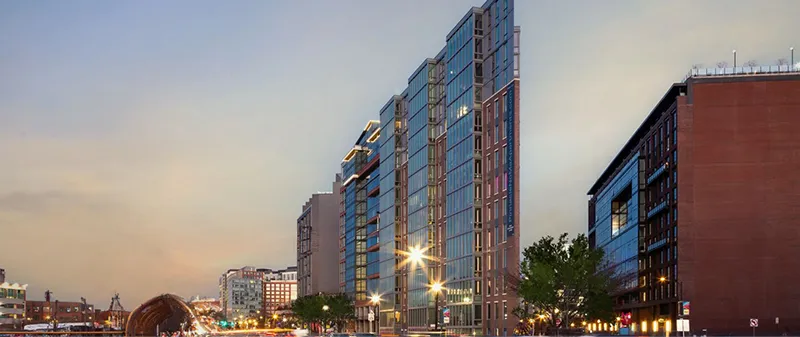
For accredited investors who want to see what could go wrong first. A 115-unit apartment building completed in 2024, near Metrorail and Union Station. Below: what changed, the three risks, and why we bought it anyway.
What happens next: we email you the deal summary, then a 20-minute call. Nothing to sign. Minimum $100,000.

If that's how your last deal went, you learned that a good deck doesn't mean a good partner. So the money sits in the brokerage account, and another year goes by. This page starts where the last sponsor should have: with what could go wrong.
The SEC planned its new headquarters beside this building. In 2024 that plan was canceled. Most sponsors would leave that for page nine. We put it in our own ads, because you'd find it in twenty minutes on Google. The building filled without it: 93.9% occupied today, in one of Washington, D.C.'s most connected neighborhoods.
The building lost the anchor it was planned around.
It is 93.9% occupied without it.
85 in 2026, 16 in 2027. Turnover costs money and empty weeks.
Those renewals are how rents that sit below market can move toward market.
Only 4 of 37 recent DC sales disclosed a cap rate, all between 4.00% and 4.62%.
We modeled our exit at 5.00%, a lower sale price than any of them. The plan assumes a weaker market than today's.
Before we buy, we look for the fact a careful investor would hold against the deal. Here: the canceled SEC building.
Not a promise. About 90% occupied when we bought it. 93.9% today.
The owners invest their own capital in every deal, next to yours.
A third-party operator runs leasing and upkeep. As leases renew, rents can move toward market.
Exit modeled at a 5.00% cap rate. Quarterly updates, bad news first.
Fill in the form below. We email you the deal summary.
Our Investor Relations team walks you through the strategy, the numbers, and the risks.
If you want, Noam or Ohad takes the next call.
The operating agreement and offering documents, with your CPA or attorney if you like.
We verify accreditation, as Rule 506(c) requires. Then you sign and fund.
Updates with bad news first, distributions, and a K-1 each year.

Co-founder and Chairman. Attorney. Investing in US real estate since 2010.

Co-founder and CEO. Attorney and operator. In the US market since 2011.
One past building that did NOT go to plan: what happened, what investors were told, how it ended.
A named investor on whether what they were told matched what happened. Name, city, year invested, with permission.
A named repeat investor on why they invested again. Name, city, number of deals, with permission.
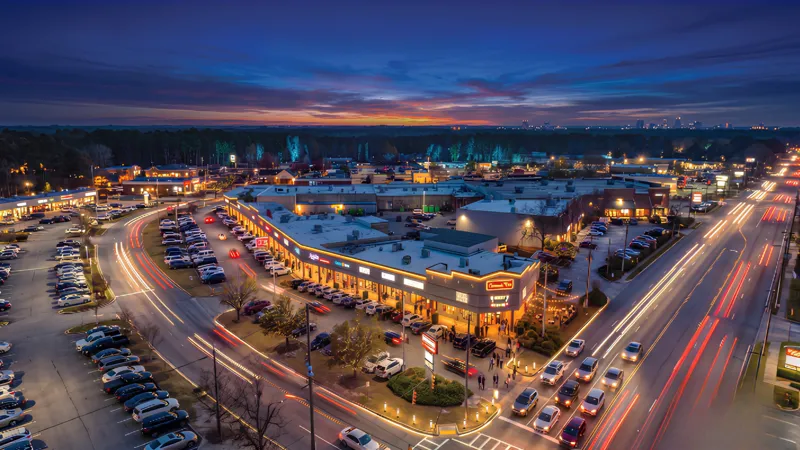
You shouldn't, yet. Look up the two buildings above. Look up the owners. Then ask them anything on a call before you invest a dollar.
You can lose money, including principal. The three biggest risks on this building are above, with what we did about each. On the call, ask about our past deals that didn't go to plan.
The plan is about three years, until the building is sold. Private real estate isn't liquid: there is no market to sell your share early. Only invest money you won't need before then.
The two owners, with their own money, and other accredited investors. Ask us on the call how many are in this deal.
PENDING FROM INVESTO: fees and the profit split in one plain paragraph, from the operating agreement.
PENDING FROM INVESTO: capital-call terms and the loan (amount, rate, term) in plain words.
A professional third-party operator handles leasing and upkeep. We own it, oversee it, report on it, and make the big decisions.
You receive a Schedule K-1 each year. Depreciation can offset part of the cash flow on paper. Ask your CPA how it applies to you.
The offering is made under SEC Regulation D, Rule 506(c). We verify accreditation before anyone invests.
We email you the deal summary. Then our Investor Relations team calls to walk you through the strategy, the numbers, and the risks.
PENDING FROM INVESTO: amount committed so far, as of a date, if Galit clears it.